

Entrepreneurship and yachting are two walks of life that have not necessarily been bedfellows. But the creation of new innovations is essential for shaping economies, contributing to the workforce, and enhancing the sectors they enter. And there were plenty of those creators keen to get the ball rolling in the leisure marine industry; they just did not have a community, playbook, or platform to lead the way. That is what Gabbi Richardson set out to achieve when launching Yachting Ventures, a hub that supports the growth of startups throughout their lifecycle.
The startups that joined Yachting Ventures at various stages of their growth have collectively raised £650 million to fund their ideas. That is quite impressive, considering entrepreneurship in the leisure marine industry hasn’t always been widely embraced, and complicating matters was the lack of investor interest in backing these leisure marine technologies. Yet Richardson found a way to make both sides of the coin see the value in fostering both hardware and software products, but it wasn’t without the obstacles she had to surmount.
In this interview, the Mallorca-based Richardson recalls the pivotal moment when she traded her law career for this adventure, outlines the characteristics founders need to succeed, explores the Middle East as a leisure marine investment destination, and discusses what the future holds for startups in the industry.
On the news front, IGY Marinas continues to expand its regional presence, Abu Dhabi is set to build a new marina and yacht club, UAE-builder Gulf Craft enters the 40-meter yacht segment with the flagship Majesty Brand, and Italian designer Luca Dini branches out to Saudi Arabia.
Thank you for reading,
Faisal
faisal@maritimeobserver.com

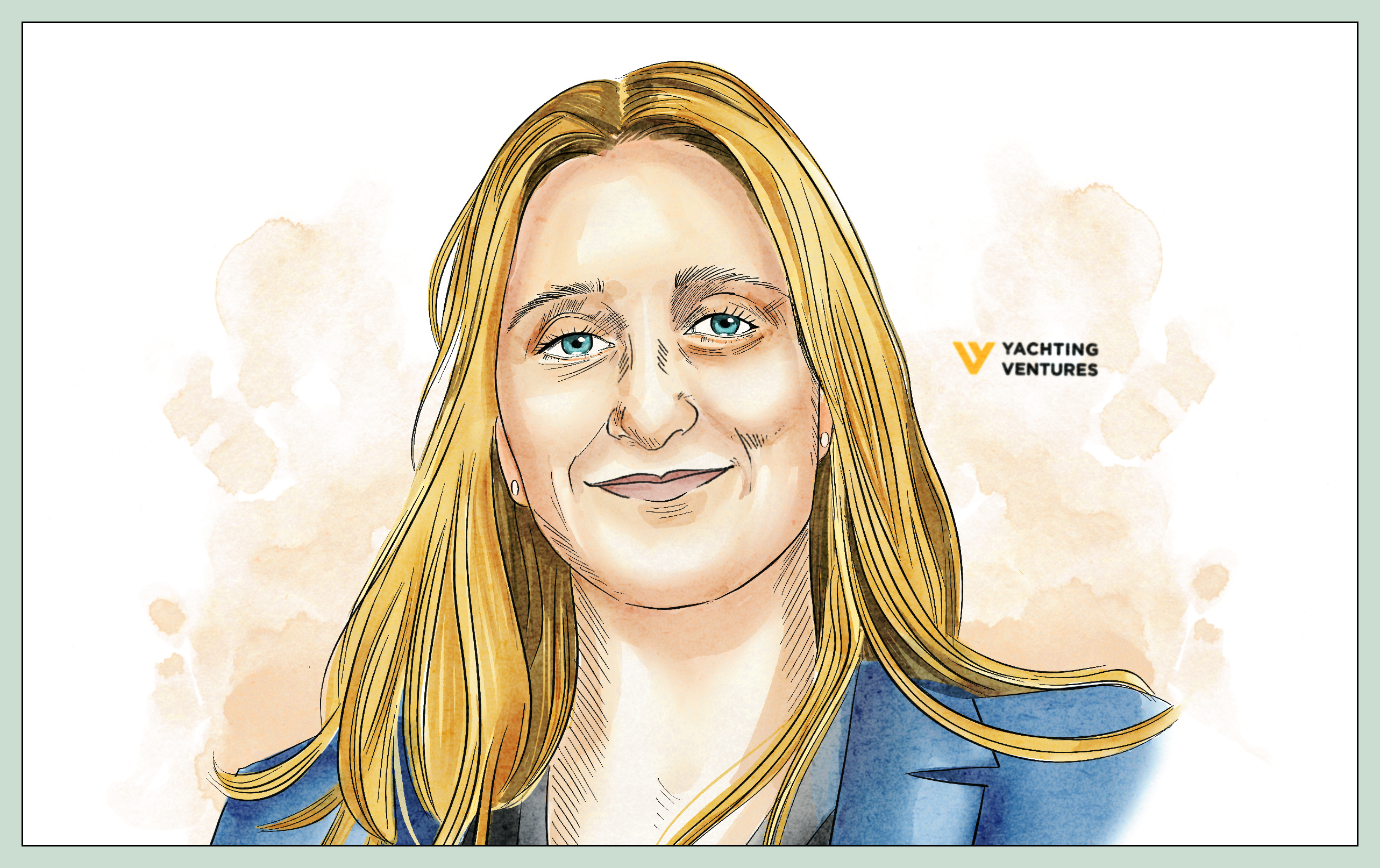
With Yachting Ventures, Gabriella Richardson is on a mission to make the leisure marine industry a place where startups can thrive
While retrofitting a 1980s sailboat, the 21-year-old Matteo Senes grew frustrated. The yacht management software he sought was antiquated and hard to use, so Senes decided to start his own. He co-founded Nauticare, an AI-powered platform automating yacht operations.
To increase the product’s visibility among players in the leisure marine industry, Senes needed help. A predicament that befalls many founders in the space, launching startups in the market can feel like a lamb staring into a lion’s jaws at times, where attitudes toward new technologies and innovation can be unwelcoming. Fast forward to November 2025, Senes took Nauticare to the RAI Amsterdam Convention Centre, the multi-hall venue that houses the influential Metstrade show. He was among the up-and-comers showcasing their wares in the Superyacht Startup area. It was set up by Yachting Ventures, a platform helping startups in the industry launch their businesses and raise funding through marketing and events.
Senes joins a deep bench of over 500 founders who have become part of Yachting Ventures since the pandemic-born project blinked to life, with the startups in its community raising over £650 million in funding. And behind the ambitious undertaking is founder Gabriella Richardson, or Gabbi, as she is known to anyone in her orbit, who, like any curious entrepreneur, was seeking a solution to a problem she had observed. “There was nobody talking about startups, nobody. It definitely wasn’t consolidated, and there wasn’t a centralized place where people could look for and engage with startups, find investment opportunities, and get the support that they needed in order to get their business off the ground.”
Yet “founder” is a scant identifier for the woman who has arguably cultivated an entrepreneurial ecosystem in the industry, fought behind the scenes to make room for startups in established events, served as a connective tissue between founders and investors, and promoted leisure marine innovation in markets that have not considered it before. Just like many of the founders she has championed, the project wouldn’t exist if she hadn’t taken a risk herself.
A lingering entrepreneurial drive
For Richardson, a career in the maritime field was never the plan; she was set to become a lawyer, a choice deemed “vocational.” But the yachting world has always existed in her periphery. It was the backdrop to her childhood in Mallorca, Spain. It was a summer gig she took up, working as a stewardess on a 30-meter Ferretti during her summer break from university, and it was the niche that would help her secure a training contract.
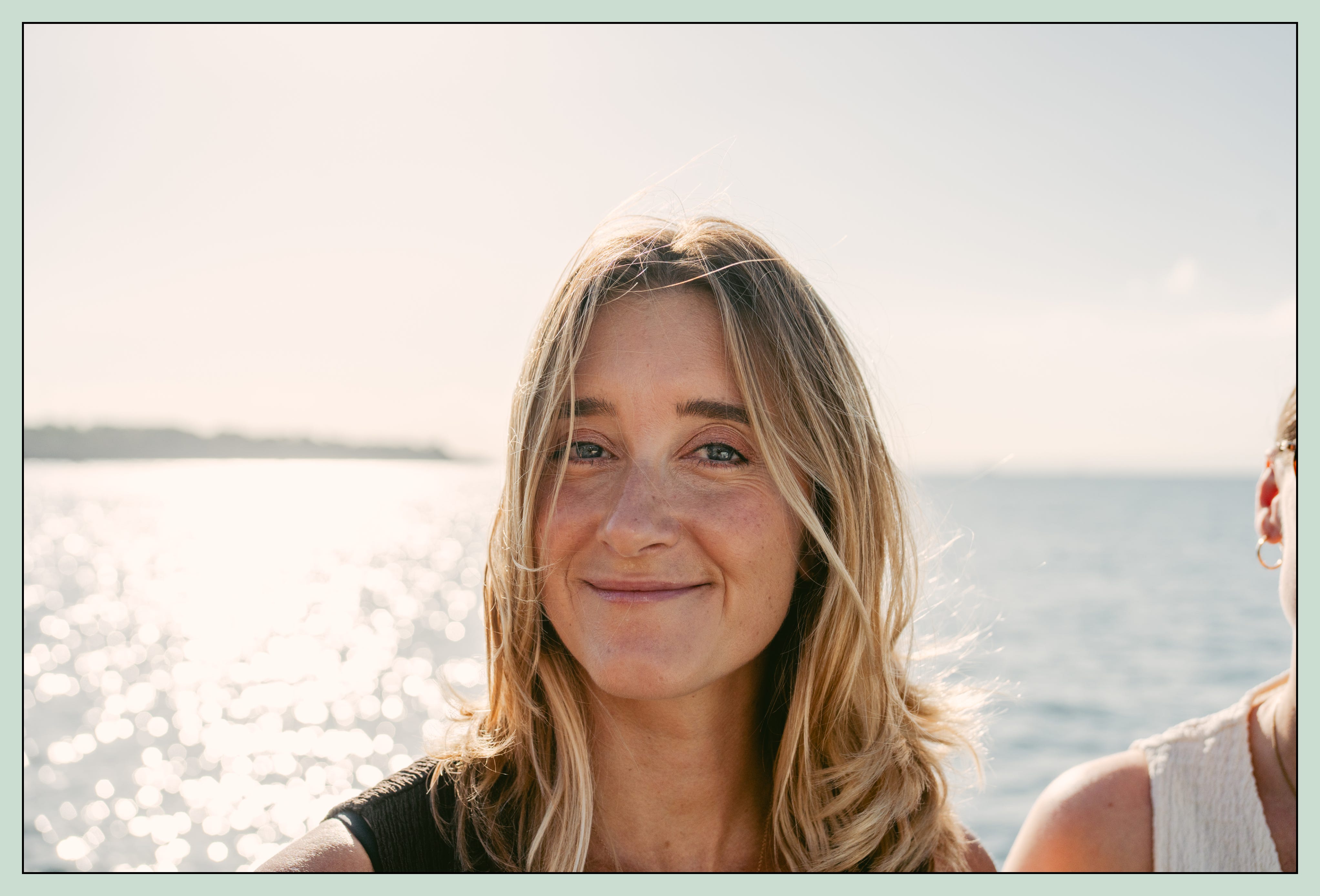
Leisure marine and its encompassing world would become central to Richardson’s life post graduation. A two-year stint as a charter broker in London at TJB Super Yachts and Camper & Nicholsons, respectively, helped her learn the ropes of the industry, but the push and pull on deciding between yachting and the law started tugging once more - ultimately bringing her back to the latter, believing she was better off finishing what she started. That was when she joined SeedLegals, a company helping start-ups navigate the avalanche of legal documents and fundraising requirements that come with entrepreneurship. Richardson had different motives for taking on the role than what it ended up providing her, “The decision was purely in order to enhance my training contract applications. But it ended up being the most pivotal work experience that I had in my career, because it introduced me to the startup world, to funding rounds, entrepreneurs, and the whole startup community globally.”
With the idea of yachting still percolating in the back of her mind, it was because of Richardson’s time at SeedLegals that the dots connected, and she came up with Yachting Ventures. The motivation for going forward with the project was simple: “I just wanted to support the entrepreneurs that I was seeing in the space and ultimately make the industry more digitalized, streamlined, optimized, and better for everyone,” says Richardson.
Conceiving the project in the throes of the COVID-19 pandemic was one of those right-time, right-place moments. “People who were maybe thinking about starting a business, suddenly kind of were putting more effort into doing so, because their lives had been turned upside down,” explains Richardson, and if she had any misgivings about Yachting Ventures succeeding, they quickly melted away when the pilot program, originally offering 15 spaces, received 75 applicants. After two years of chipping away on the side, Richardson was ready to make Yachting Ventures a full-time commitment.
The superyacht sector: Making startups the norm
After spending the first half of her 20s as a yacht crew member, Leah Tennant’s time on 45-meter Heesens and 99-meter Feadships gave her a sense of her next move: she wanted to find a remedy to the toxic cleaning products used onboard. And at 27, she invented Washdown, introducing a range of biotech cleaning materials good for both humans and the environment. Early on in the nascent Washdown, Tennant found guidance in Yachting Ventures, helping her land coveted speaking spots at events in Spain and Abu Dhabi. In addition to strengthening the brand’s identity, the community in these events afforded Tennant the chance to pick the brains of founders with similar journeys and struggles.
For Richardson, proselytizing boat show organizers on the importance of making space for entrepreneurs proved challenging. “When we first started doing the event collaborations, it was really quite difficult to get the boat shows to understand the need to support startups, showcase them, and give the space at a discounted rate with the slightly longer-term view that the startups will then come back as full-time exhibitors,” she says.
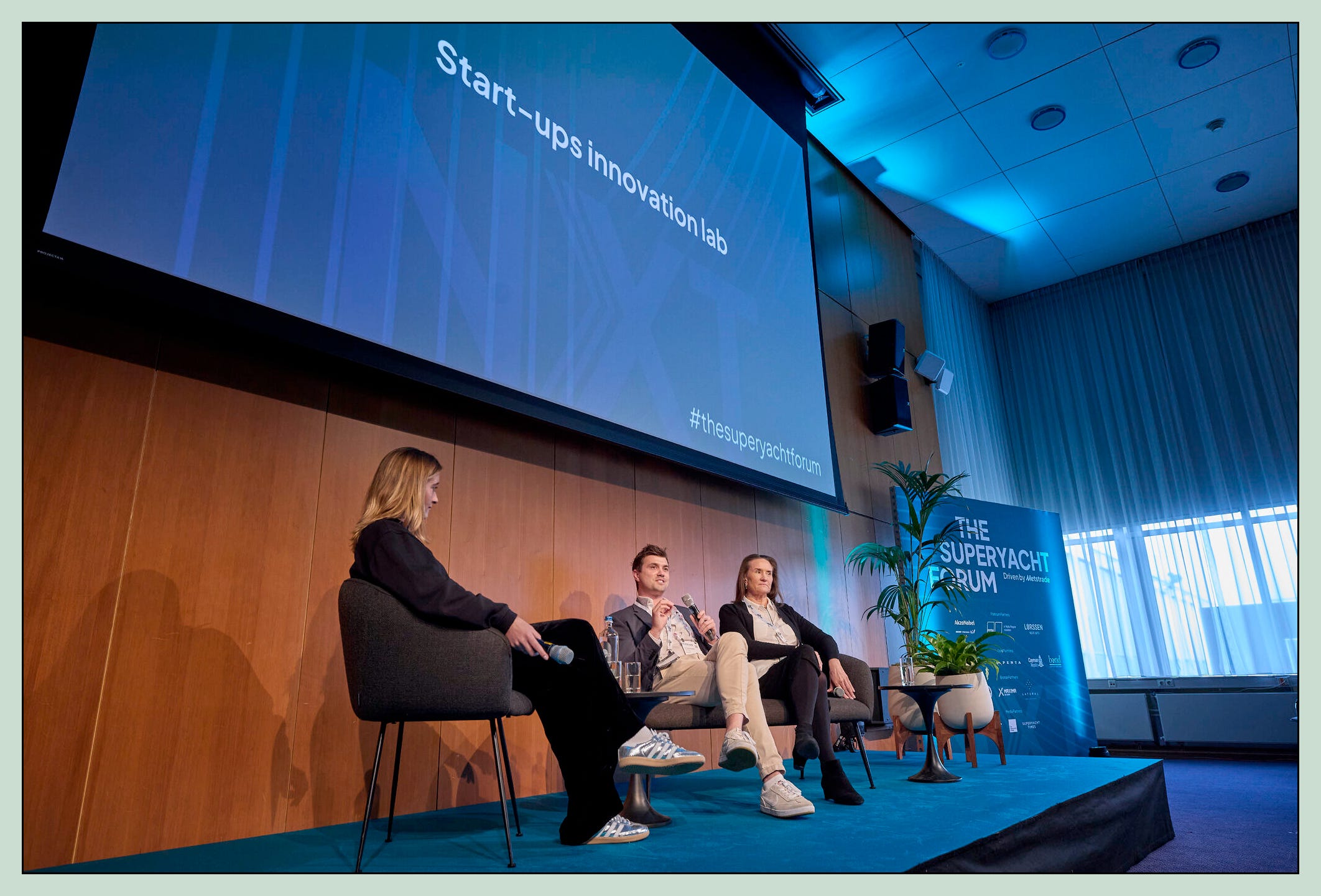
That these nautical events would initially struggle to grasp the importance of platforming early-stage companies spoke to an industry-wide problem. “The kind of attitude towards innovation was quite archaic in the sense that startups were kind of seen as risky business, threatening the legacy business models,” recalls Richardson.
The global recreational boating market, valued at approximately $35-48 billion in 2026 and projected to reach between $55-93 billion by 2032, according to the National Marine Manufacturers Association, will only benefit from the people bringing fresh blood to the industry, Richardson posits. “Entrepreneurs and startups just drive the world forward, right? Because they’re so agile. They’re the ones that are coming up with the new products and the innovations.”
And there is a good reason for new entrants to strive to achieve this in the 24-meter-plus segment too. For the superyacht industry, the road to becoming greener remains its most pressing item on the agenda, Richardson believes. “Alternative fuels are still a big topic in terms of decarbonization and sustainability. We see more electric jet skis, engines, and boats coming into the market, potentially not so much on the superyacht side, but I think [they] will follow when it comes to alternative fuels.” And if the next pioneering solution is currently in the pipeline, it is down to the founders to tackle the most crucial step: securing the financial backing.
To master the art of courting investors? Become the brand
Beyond her advocacy within the industry, one of the growing pains cropping up early in setting up Yachting Ventures was cottoning investors to find value in backing maritime technology innovation. Why was Venture Capital, one category of investor, which has permeated into every segment of the tech world, and with $1.25 trillion in assets under management, keeping an arm’s length from the marine business? Richardson believes this was partly attributed to the nature of the sector. “The market size is small in leisure marine and yachting, so institutional investors like [Venture Capital] firms, for example, don’t fully get the numbers or think that there’s a big enough market here for unicorns to be built.”
Many of the marine investors acquiring stakes in companies were in the family. “The majority of the investors in the space then tend to be either angel investors, individuals, or groups of individuals that are either interested in boating, have built boating businesses themselves, have a boat, and are just kind of interested in this kind of tech.”
As for non-boating aficionados, Richardson discovered that startups can secure venture funds by inventing products that apply across multiple boating-adjacent sectors. “If a startup is building some kind of product for the yachting industry, like a software solution, that could fall within the travel tech category, then a VC will look at it,” she says.
Even with the imprimatur of being showcased at boat shows and getting in front of a prospective investor, Richardson cautions that these opportunities will only take a founder so far without the necessary characteristics, which are twofold. The first: becoming the brand. “If you can’t market it properly, if you can’t communicate, if you can’t build relationships, if you can’t pitch yourself to investors, you’re not really going to get that far with the products,” she says. “Being a good people person in this industry is actually quite key.”
The other trait Richardson sees in the ones who succeed? An expedient way of operating. “I think the founders who really do well are the ones who get moving. The ones that have prioritized execution, getting it out there, and have not worried too much about the perception in the market,” she says. “As soon as you can get the product into people’s hands and people start using it, the better.” These qualities will come in handy for one specific market with an appetite for supporting emerging leisure marine entrepreneurs, the Middle East.
An organic synergy: the appetite for marine technology innovation in the Gulf
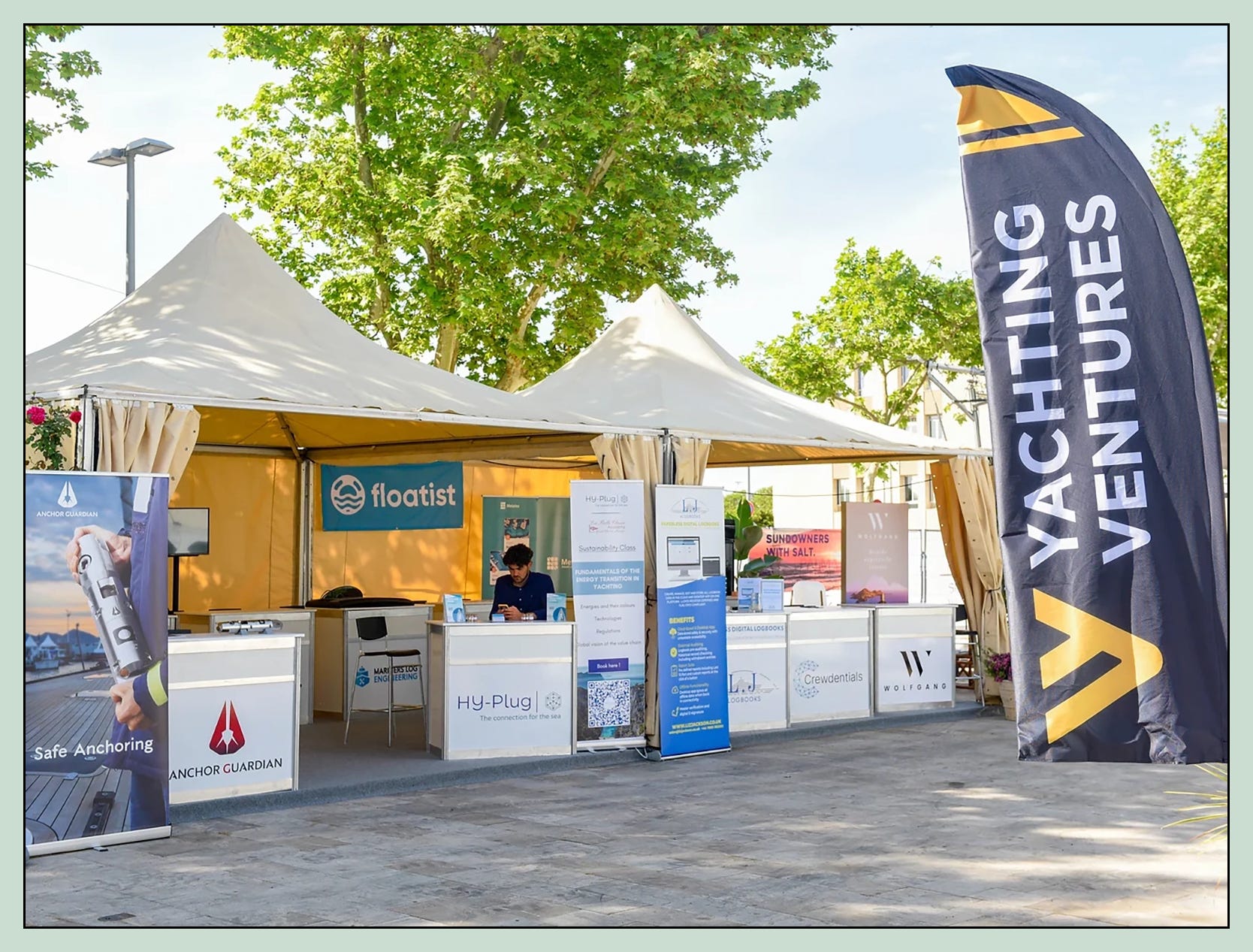
Anyone who has visited the Abu Dhabi International Boat Show in the past few years would have seen the “Innovation Zone” pavilions, a staple of Yachting Ventures and the beginning of Richardson’s foray into the Middle East. “The organizers just really got it, welcomed us with open arms, and wanted us to come,” says Richardson, for whom the Gulf in particular was one of the startup hubs naturally attracted to boating innovation. “It’s great doing business out there. People just make decisions quickly. They move quickly. There’s loads going on. There’s a bigger and bigger startup culture. There are more and more entrepreneurs moving out.” From there, Yachting Ventures would establish a presence at the Dubai International Boat Show with the Startup Zone - Richardson has even considered transplanting to the area as well at one point.
For the region, which has been establishing itself as a winter superyacht destination, Richardson believes today’s founders are crucial in shaping its next decade. “The entrepreneurs who decide to open businesses out there to support the superyachting industry will be key because, at the end of the day, that’s what’s needed. You need the infrastructure, and you need the businesses out there to welcome the yachts and to provide the services that they’re used to in the Mediterranean. The entrepreneurs will do that.”
But, as Richardson cautions, making the jump to the Gulf, or anywhere else in the region, will not yield any fruitful outcome before mastering the folkways of the place. “The business culture in the Middle East is generally just a lot more relationship-based. So I think for founders that want to do business, being on the ground or dedicating three months to building relationships is really key.”
At the moment, geopolitical conflict in the region has affected most sectors, and the atmosphere for investment in leisure marine was not spared. “I would say that I’m definitely seeing less of an interest from the startups in the Middle East, in the sense that I used to get asked quite regularly on calls, for example, like, ‘what’s happening in the Middle East?’” says Richardson, who believes momentum may get picked up again come the Autumn boating season, which is where the Dubai Boat Show is rescheduled to.
AI: Disruptor or Accelerator?
Over time, many of the founders in Yachting Ventures’ constellation of startups have graduated to scale-up territory, an area where Richardson is allocating her focus. Meanwhile, she predicts that many of these early-stage companies will start to see exits in the next three to five years - venture capital jargon for startups that sell a stake in their companies, and receive a return on their investment. With the emergence of artificial intelligence, it is easier to make a prognostication than ever before.
In the last 3-4 years, perhaps nothing has altered the operations of creating a startup more than AI. “The way AI is really impacting the industry is helping founders to operate more agilely, require less funding and ship products quicker,” says Richardson. “Whereas before you might have had to have five developers in order to get a product off the ground, and that would have cost you God knows how much.”
Going forward, Richardson believes AI will be an indispensable tool for entrepreneurs, but only those who are smartened up on it. “If a founder is really clued up on how to leverage AI and AI agents, then they can really shorten those go-to-market cycles.” But the tool’s ascendancy has a dark cloud of data safety concerns hovering above it. “Security around data is a big topic; how AI can cause security breaches. So I think solutions that are addressing those will also be key,” she predicts.
Determine your destiny
Nowadays, the adoption of startup-led products has grown from a curiosity to becoming a substrate of the marine market. But back when Richardson was gearing up to go full-time on Yachting Ventures, she was unsure if this was a road worth taking, until she was left with a moving piece of wisdom. “A friend of mine that owned a business told me, ‘having your own business is like the least risky thing you can do because you’re responsible for your own salaries, your own work,’” she says, disabusing the notion that this choice is not suited for everyone. “I think there’s a misconception that you’re either an entrepreneur or you’re not. But if you have the right idea, the right passion, and the right energy behind your idea, anyone can be an entrepreneur.”
A few years later, Senes, the software founder, would end up selling the vintage sailboat before getting the chance to use Nauticare on it - trading it for a family boat. And if working on that new vessel lights a fire within him for his next great idea, it is safe to say Richardson left the industry in a better place for him to build it in than when she found it.
