
Welcome to The Maritime Observer, a monthly newsletter covering the Middle East superyacht market, presented by Peick FörderSysteme.
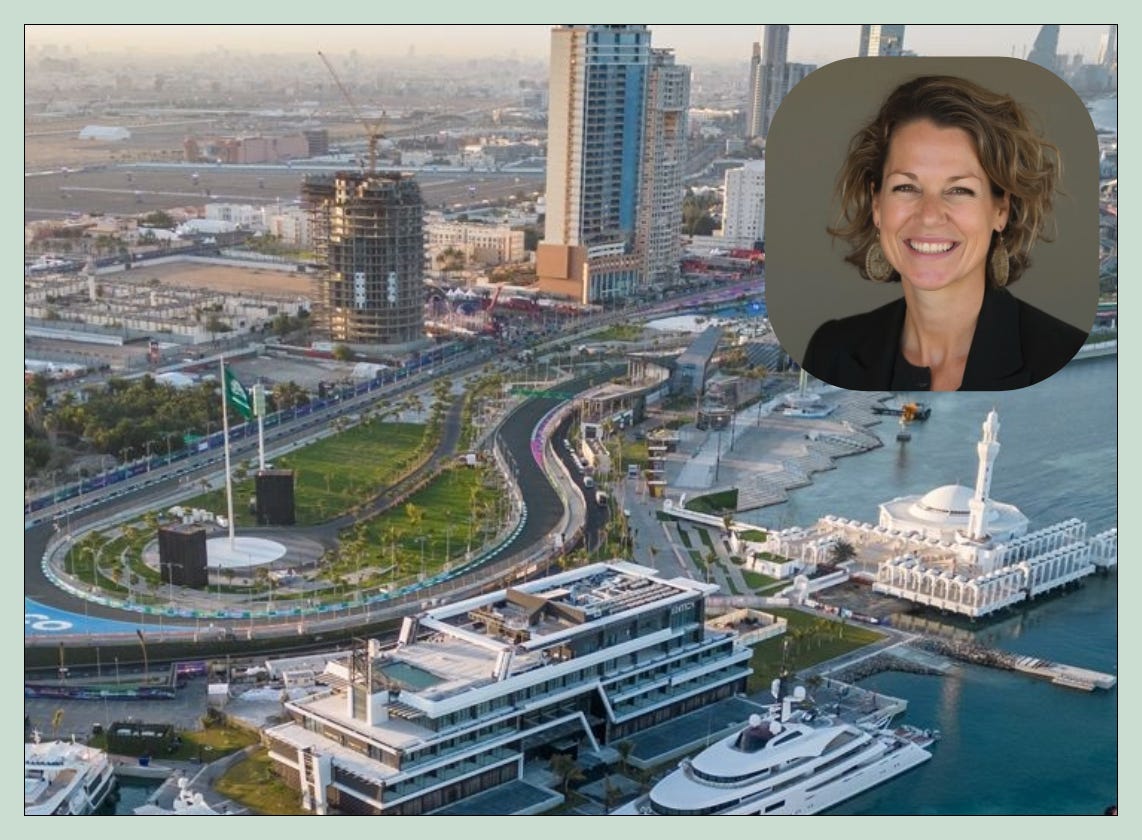
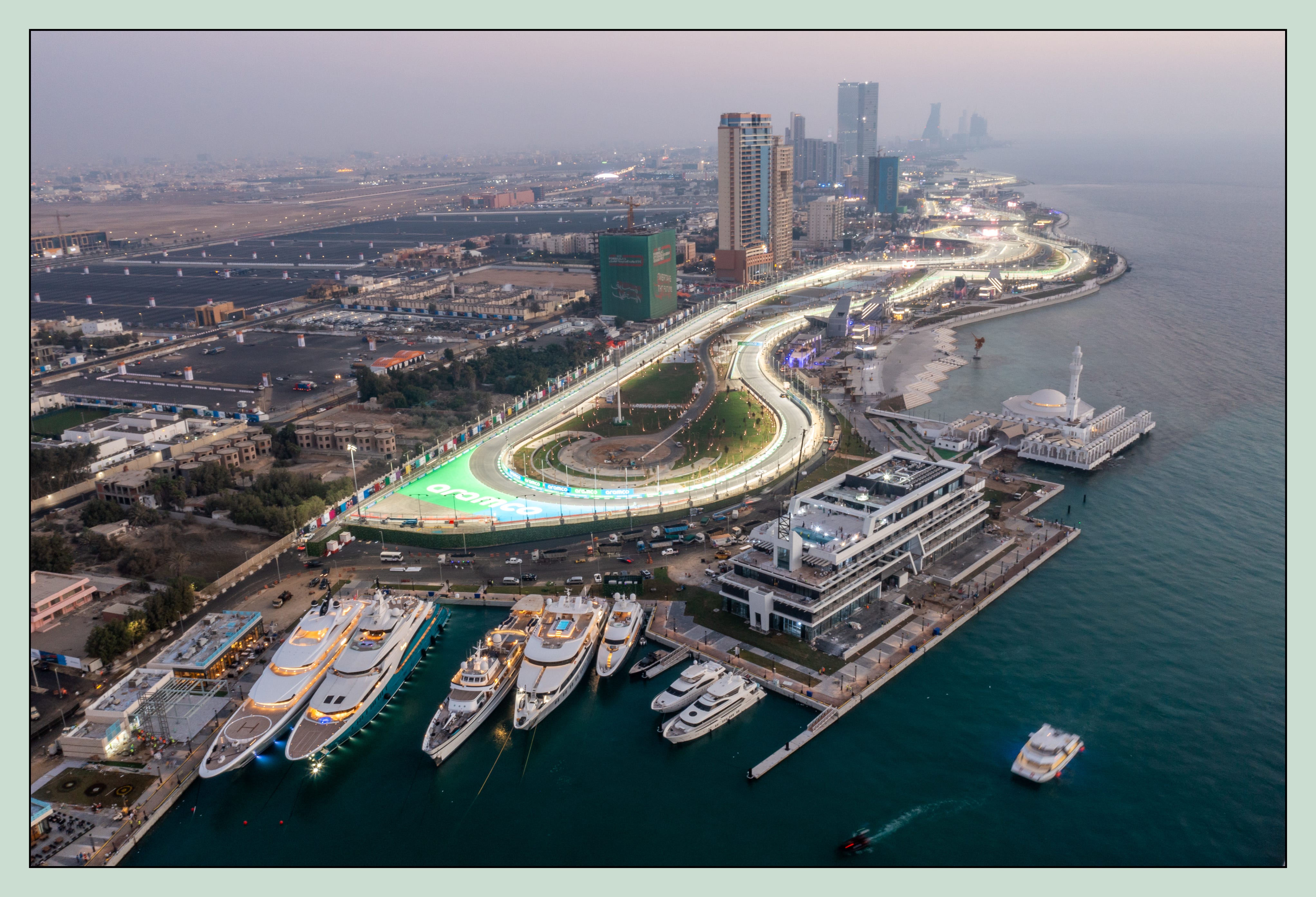
It all started in 2021. The Saudi Arabia Formula 1 Grand Prix was bound to take place in December, but the question was whether a trackside view for superyachts would be complete in time for the event. With sheer determination and 24-hour teams at work, Jeddah Yacht Club and Marina was inaugurated on the eve of the F1 spectacle, after it was built in a record six months.
Operating at a capacity of 93 berths for vessels up to 120 meters, both annual and short-term, JYC has become one of the region’s superyacht-accommodating marinas, and an official entry point into the Kingdom. And just like the secret to a successful race, it relies on a veritable pit crew of members, from dockhands to commercial and financial departments, to keep the plates spinning. And the facility is seeing signs of its efforts paying off. Between 2023 and 2025, visitor nights increased by 394%, climbing to 2500. The average length of stay has gone from 4.2 nights to 15.2 nights, while visiting vessels over 24 meters in length increased from an average of 41 superyachts to 60 in a year’s time.
At the hub of the wheel is Oriel Blake, JYC’s Marine Operations Director. A seasoned yacht captain with 20 years under her belt, she joined the facility in 2025 to oversee both the marina and JYC’s Sailing Academy. That Blake has had an exceptional tenure thus far was confirmed this month, when JYC was anointed with “5 Gold Anchor” status by accreditation group The Yacht Harbour Association. These developments are only the warm up to what’s to come. In 2027, the marina will act as official host of The Red Sea Yacht Show.
Blake joins The Maritime Observer Newsletter to discuss her role at JYC, Saudi Arabia’s drive to accelerate marine tourism, the importance of understanding today’s boater, the value in promoting the region's shoulder season, what’s in store for the marina’s future, and more.
Thank you for reading,
Faisal
faisal@maritimeobserver.com

The Automated Yacht Parking System Changing the Marina Industry
This edition is presented by Peick FörderSysteme GmbH — the integrator of the fully automated storage system reshaping how marinas handle yacht storage, for daily use.
Vessels up to 20 meters and 50 tons are stored dry, safe, and ready on demand, with personalized access and an adjustable parking pallet built for the individual yacht.
This Technology is modular; marinas can scale capacity, berths, and add storage density without expanding their footprint.
Visit www.peick-fs.de for more
How to run an international superyacht marina in 2026 with Jeddah Yacht Club’s Marine Operations Director Oriel Blake
Tell us about your beginnings in the maritime world and how it led you to your current role at Jeddah Yacht Club.
I’m actually a professional yacht captain. I’ve worked in most of the cruising parts of the world in so much that I started my career in the Mediterranean and worked the Caribbean for a number of seasons, Indonesia and Singapore as well. As a professional 200 ton Yacht Master and Yacht Master instructor, I come with the background of operating vessels in marinas. This opportunity, when JYC Marina was looking for a new marine director, was very timely, as I was actually already in the kingdom.
And I felt it was a phenomenal opportunity to have the privilege of working with, at this point when I joined, no longer a developing marina, but a well-established superyacht marina in a developing destination, and having that unusual combination of a very properly maintained and significantly well-set-up infrastructure. I’ve stepped into this role to really work on advocacy with authorities and stakeholders to let them know that the Kingdom of Saudi Arabia is ready for visiting vessels.
How did your previous experience help you settle into your current role as Marine Operations Director?
Working as a commercial charter captain, you’re very much in this customer service and hospitality role. And in fact, the same function is very much the purpose of a marine director as well.
Many marine directors and many marine operations personnel don’t actually come from a seafaring background. It’s often tied to commercial jobs, potentially viewed more as a real estate department.
The wonderful synergy between a captain and a marina operator is that you know exactly what the marina should be providing to captains from a captain’s perspective. Coming with the perspective of having worked and lived at sea, knowing exactly what you need when you arrive in a marina is very helpful from a marine operational perspective.
What did you make of Saudi Arabia’s superyacht scene, and the Red Sea’s overall mission to become a winter cruising destination? What are the associated challenges?
What’s very appealing, rather than a challenge, is the itinerary. We could easily now speak to a route which would give you a number of different destinations within Saudi Arabia. And what’s really striking about JYC and Saudi Arabia is that our season is really perfect for the shoulder seasons, not necessarily the whole season.
The shoulder seasons are the real appeal, which I think haven’t yet been capitalized on as fully as they could be. So a vessel that is completing a season in the Mediterranean might be en route to the Indian Ocean to do the next season. And then we might be there for the best place for the owner to explore the destination of Saudi Arabia in around March and then later in around October. So not just the seasons themselves, but specifically between the seasons.
How do you balance operating as an international superyacht marina while catering to the needs of the local boating community at the same time?
As with any destination, when you’re a guest as an internationally flagged vessel arriving, you would be very sorry not to see residential yachts and to feel as if you’ve actually arrived in a foreign country yourself. It’s a necessary element of a marina to have both functions of foreign and local.
The demands and requirements of each vessel do differ. Having customs and immigration on site is a visiting vessel need. However, the fuel dock is going to serve both our customers with locally priced and internationally priced fuel available; there are subtly different abilities of what we can offer as well.
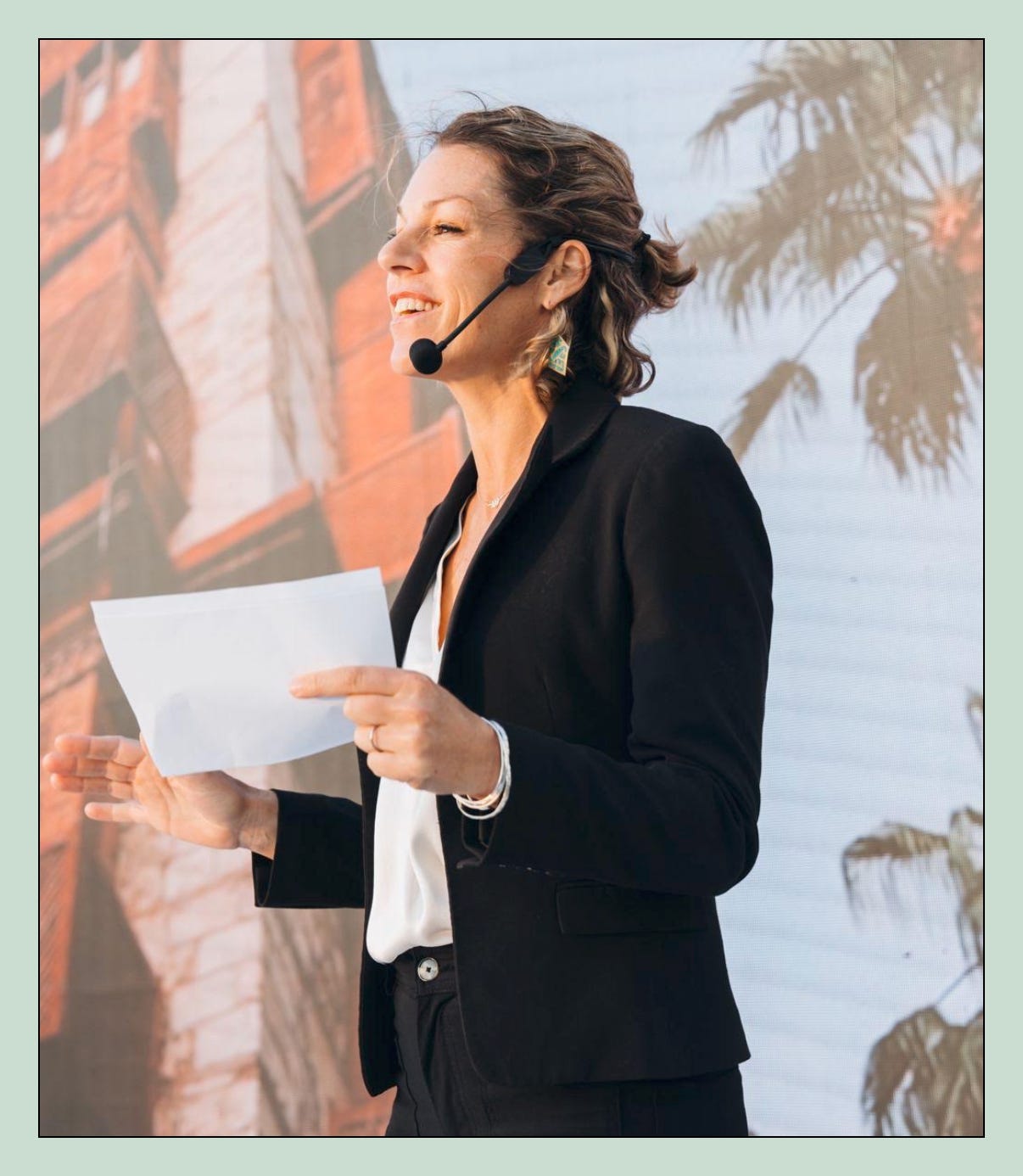
In recent years, we have started to witness marinas modernize operations with technological upgrades. Are you utilizing this to make data-driven decisions to ultimately better serve the Marina’s goals?
Our own technology that we’re using in the marina is management software with Harbour Assist, and we keep records of vessels that have passed through.
The data we’re looking at is also how many vessels are actually sailing past us. With the ability to track through AIS, it’s very easy to see the routes that go north or south right past our door. The challenge, which has been less of a challenge now, is to actually attract those vessels into the marina. So simply doing an analysis of vessels transiting the Red Sea is very useful.
The Saudi Red Sea Authority, also established in 2021, has made substantial progress in modernizing regulations for visiting superyachts. How has this helped the overall mission of making yachting more accessible in the Red Sea?
Being there ahead of the authority developing its regulations was a great opportunity to really synergize with a world perspective to bring to the Red Sea Authority ideas; there’s been regular feedback between the stakeholders, principally in Jeddah Yacht Club and Marina, but more recently with new marinas. The stakeholder engagement has really helped them to build a non-commercial platform for regulations. There’s still work to do, and we continue to work with the Red Sea Authority, and ultimately, I think that the agents have played a very key role.
We could speak very highly of three agencies in particular. Faisal Higgi, a commercial agent for large ships, converted to have a luxury yachting franchise, BWA Yachting. The Dubai-based JLS Yachts brings regional expertise and has taken a very brave step some years ago opening in Saudi Arabia. And Hill Robinson, which brings a kind of international angle on the expectations, certainly for super yachts.
What is JYC’s role in the protection of the marine ecosystem to ensure a sustainable future?
Since my tenure at JYC, we have worked very closely with Shams, the government organization for the conservation of coral reefs and protection of sea turtles in the Red Sea.
The dredging and development of the marina in 2021 would have had a very negative impact on the marine environment, [but] the amazing fact is that the work that the marina has done since then to conserve and to help protect and to build up the ecosystem again is demonstrated by the reports that there are baby corals growing throughout the marina. The water quality, which we get tested four times a year, came out absolutely immaculate. We’ve got the cleanest, very well-rotated water in the marina. So it seems that the obstacle of a marina is no threat to the Red Sea.
As for the measures we take, we have 9 pump-out stations around the marina. I think many marinas would be proud to have one, but the reason is that we have an absolute zero tolerance for pump-out, and we have the ability to do daily pump-outs for all of the vessels.
Who is today’s boater? What do they value compared to previous generations?
It’s wonderful to see that the Saudi roots of seafaring are being tapped into in this generation. There’s a very great deal of knowledge of the fishing potential just off the coast of the Red Sea of Saudi. We have a lot of owners who spend the weekends out fishing, what they really want is to escape the city and to experience just the proximity of our cruising grounds.
Then you’ve got the international vessels. We are seeing most of our visits from international vessels with the captains and crew specifically because they’re in transit between A&B. What they’re looking for as a professional crew and captain on board is to have the pressure taken off them and that we as a marina will look after things safely, reliably and efficiently.
And actually, it’s the human relationships. Having been a captain visiting marinas myself, is that the team here in Jeddah is so solid that we have worked together for now five years, from the inception of the marina to today.
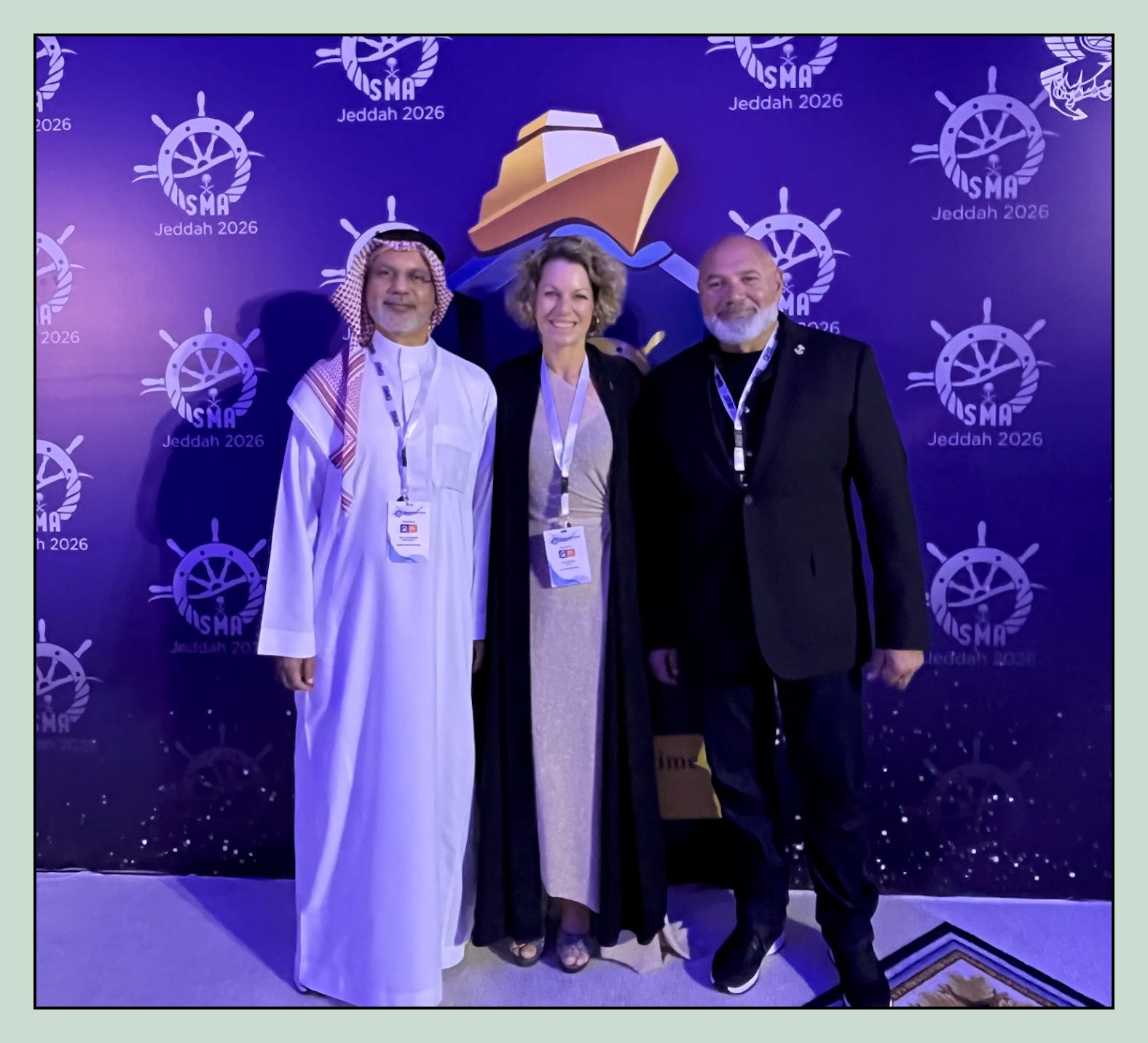
In terms of the marina’s business model, how is the leasing structure tailored to the region’s cultural nuances?
JYC is divided up so that the visiting yachts are normally larger vessels, and so they take up as much room as the resident yachts, real estate-wise. But the truth is that with 56 berths currently occupied by resident yachts, that represents about half of the marina’s physical space, and the rest of the marina is reserved for the transient vessels.
For resident yachts, we will always keep an annual contract, and that does have flexibility to add or remove the Yacht Club membership, for example, throughout the contract. But for the most part, the residents are with us for a number of years with a renewable contract. It is very much the local Saudi Arabian market to have your berth based in one location and to keep it that way for as long as possible.
To the transient or visiting yachts, we’ll issue a one-day estimate before the vessel’s arrival. And then we simply have written in the contract regarding that short-term vessel arrival that we will multiply that one day by as many days as you wish to remain in the marina. And should you remain beyond a month, then we’ll reduce it to the rate of a one-month and prorate it accordingly. We have many a time changed the contract nature within our short-term options of one day, one month, five months, one year during the course of their remaining with us.
Give us a peek into the pipeline. What are the marina’s long-term plans?
In the pipeline, we look forward to and already have seen significant interest from charter brokers. The shoulder season is a charter broker conversation. The product they need to sell is much easier now that there’s a route to provide.
A lot of charter boat clients might have done the Mediterranean and done the Caribbean, and they’re always looking for something new. And I think that what the Red Sea provides is very much that check-all-the-boxes, charter broker concerns.
The next is that we want the north-south bound yachts to stop at Jeddah on their way through. We see increasing numbers stopping, but I think that there’s still a little bit unknown about what they will receive upon arrival, how helpful the marina is in providing all the things they’re looking for, as well as provisioning. Our goal would be to see more captains on the north-south band route.
We’re down to our final questions. What piece of advice would you give to someone thinking of or just entering the industry?
The processes that are behind the scenes in a marina are very broad. There’s a lot to do with the commercial and operational aspects and a lot to do with the hospitality and the actual seafaring knowledge aspects.
You really need to be providing a service that is a notch above the last marina that a captain arrived in. And if you’re not as good as the last marina that a captain berthed at, then you need to find ways of improving. And I think that routine processes and reliable systems are the only way to really achieve that.
Question: And finally, what is your favorite part of the role?
I actually find that the people are probably the most rewarding element in a marina. And that’s one side to the other side of the human element, which is the captains and the visiting yachts.
Certainly the human contact, the multitudes of people from every aspect, right way down to the most junior dock hand up to a captain of a 120-meter superyacht. It’s a genuine joy to receive a new captain into the marina, show them around, and host them. And quite often, that industry familiarity that I feel I have with captains of knowing and understanding where they’ve been and where they’re going next.
This interview has been edited and condensed for clarity.
· D-Marin’s Marsa Al Arab Marina awarded three accreditations by TYHA
· Saudi Arabia Announces Red Sea Yacht Show; Launches 2027
· Iraq to set to launch 50-berth marina; country’s largest
· Abu Dhabi’s Aldar announces 350-berth Marina as part of $27 billion Marsa Al Saadiyat project
· Egypt’s Suez Canal Authority Increases Yacht Transit Surcharge to 26%
· Egyptian Developer Tatweer Misr launches 65-berth yacht marina in Ras El Hekma
· CVC agrees to €1 billion sale of marina operator D-Marin to French private equity firm
